
Theme
Traditional Cuisine
Dishes, recipes, spices and their cultural significance.
3 articles
Traditional Grassfields cuisine is more than a list of dishes: it brings together recipes, spices and gestures handed down from generation to generation, along with the cultural meaning that goes with them. This page, part of the theme “Alimentation et santé”, invites you to look at what happens around the cooking pot as much as at what it contains.
You will first discover the know-how of Bamiléké women, who could draw a mineral salt from banana skins, plantain peels and dried stems, burned and then filtered with water. You will also see how our ancestors created rich flavors with spices, seeds, leaves, roots and cooking techniques, long before seasoning cubes and flavor enhancers arrived. Reclaiming these spices, documenting the elders' recipes and passing on their techniques means protecting a heritage while making more conscious food choices. Finally, a simple dish becomes the vessel of a wisdom: the union of two opposites, used to unite marriages, reconcile enemies and restore harmony.
To step into this theme, begin with “Tschèn: our mothers, nature's chemists, and the secret of traditional salt in the grassfields”, continue with “The hidden glutamate: why our ancestors did not need synthetic flavor”, then discover “TARO WITH YELLOW SAUCE Sacred Science of Our Ancestors The Cosmic Union of Moon and Sun”.
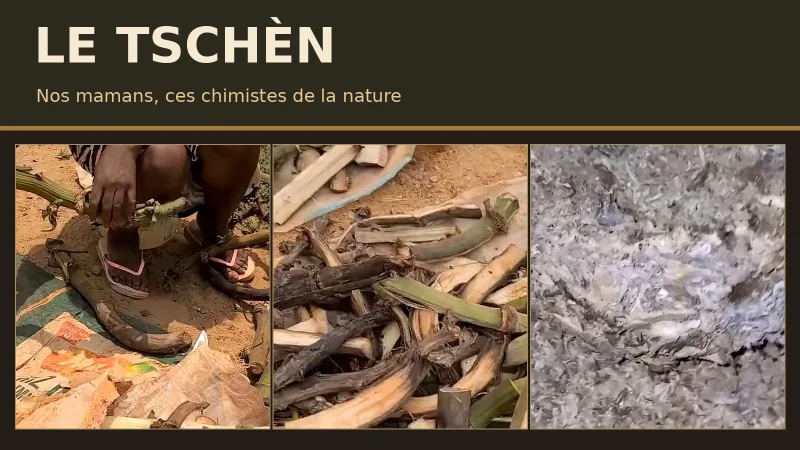
« Tschèn: our mothers, nature's chemists, and the secret of traditional salt in the grassfields
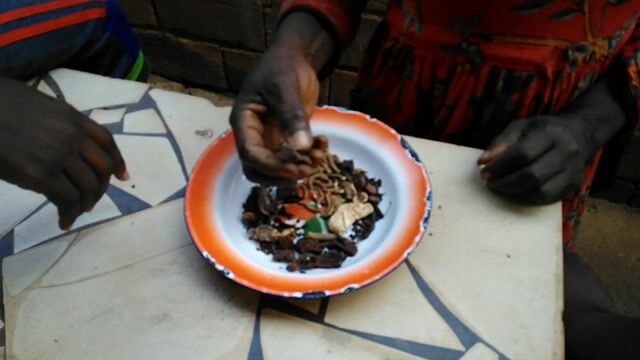
The hidden glutamate: why our ancestors did not need synthetic flavor