Theme
Ancestor Veneration
Skulls, offerings, the Salaka, and the ways of honoring the ancestors.
9 articles
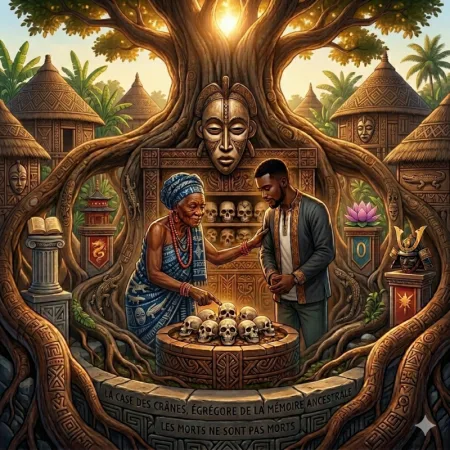
Among the peoples of the Grassfields, death is not an ending: the body returns to the earth, but the spirit endures and continues to watch over the family. This page gathers texts devoted to ancestor veneration, its sacred skulls, its offerings, the Salaka, and the many ways of honoring those who came before us.
You will discover how the skull, seat of memory and consciousness, keeps the bond between the living and the departed, and how gratitude, expressed through the Salaka, closes the cycle of a blessing received. Other articles explore the child's first traditional anchoring with the ancestors, the meaning of a tribute that is action and transformation rather than mere remembrance, and the genealogical tree understood as living memory. Bamiléké architecture, with its skull houses, and a call to pride in this culture also shed light on the place of ancestors in spirituality and in the community's future.
To begin, you may read “Salaka in Grassfields culture”, then “What Does It Mean to Honor Your Ancestors? Correct the Debt, Grow the Legacy”, and continue with “The Genealogical Tree Living Memory, Cosmological Heritage”. Happy reading, in respect of memory.
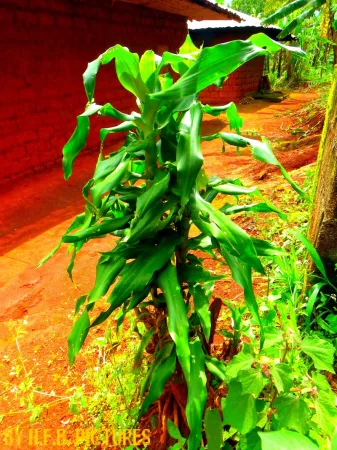
Feukang: the sacred tree of peace, life, and ancestors in Bamileke culture
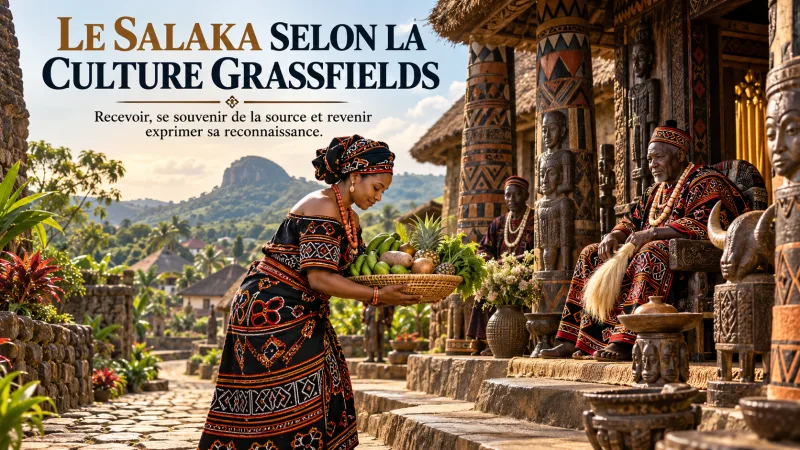
Salaka in Grassfields culture

Ancestral Homage in the Grassfields: Why Memory Never Dies
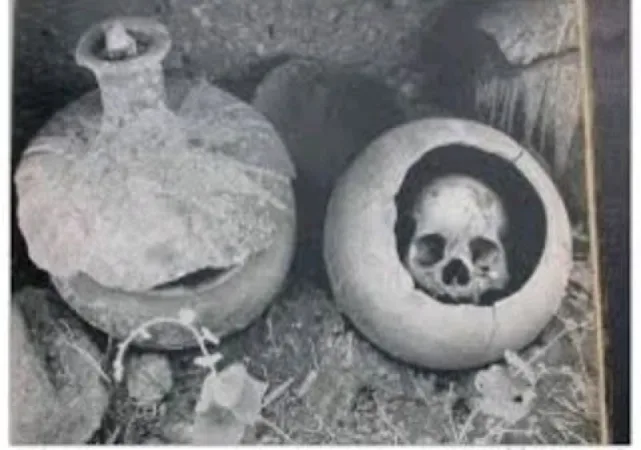
What Does It Mean to Honor Your Ancestors? Correct the Debt, Grow the Legacy
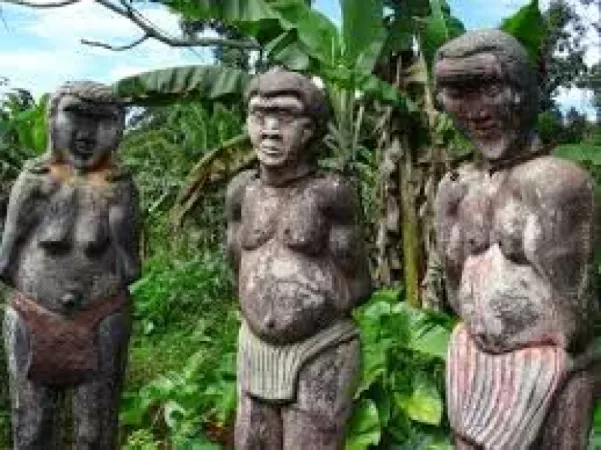
SOVEREIGN MEMORY | Episode I: The Code Noir and the Architecture of Submission

FOVU The birth of a sanctuary, and why our intentions find their way there
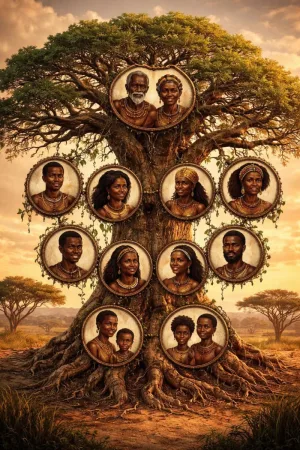
The Genealogical Tree Living Memory, Cosmological Heritage
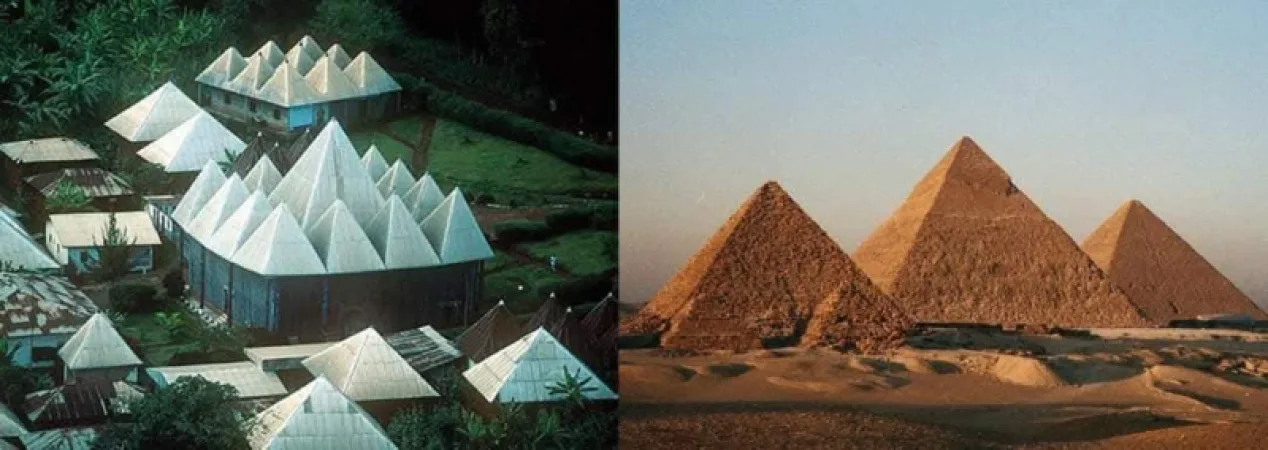
Bamileke Pyramidal Architecture: A Technology of the Invisible Serving the Living