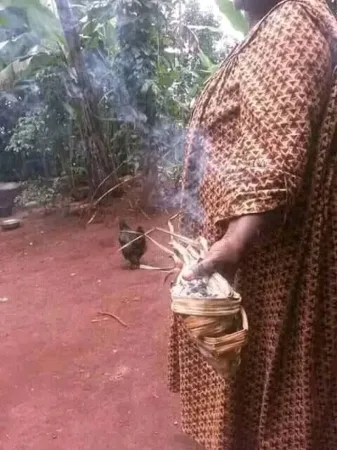
Theme
Protection Rituals
Rituals of purification, appeasement and repair, such as the Tchouop or those surrounding bad deaths.
10 articles
In the Grassfields, to protect is first of all to care for the balance between the living, the ancestors and the land. This page gathers texts on rites of purification, appeasement and repair, from the Tchouop to the rites surrounding bad deaths, and all the gestures that allow what was opened to be closed again.
You will discover how the earth keeps the memory of the words spoken within it and how potash ash was used to heal it. You will see why the placenta and umbilical cord were secretly returned to the family Earth, and what the genealogical tree reveals about our lineages, our wounds and our blessings. Other articles explore Feukang, the sacred tree of peace that watches over family compounds, Salaka, the act of gratitude that closes the cycle of a blessing received, and the humility and trust in NSÍ taught by Grassfields philosophy. A more contemporary reflection finally questions our relationship to images of death that circulate endlessly.
To begin, read “The «Tchouop» : when our grandmothers' chemistry healed the memory of the earth”, continue with “Salaka in Grassfields culture”, then explore “Our ancestors kept bad death away. Why do we keep watching it on repeat?”.
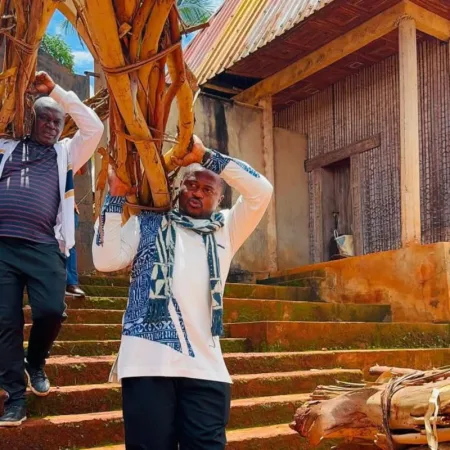
Yökkwefô: the presentation of wood, an ancestral bond of allegiance and protection between the king and his people
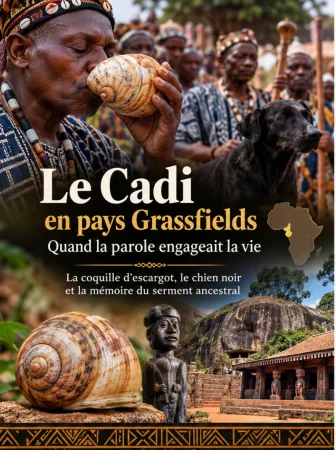
The Cadi (nwó ŋghwò) in the Grassfields: submitting to the test of truth
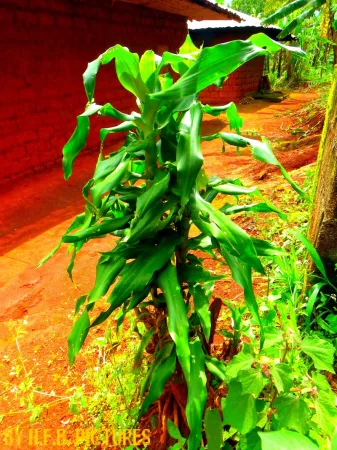
Feukang: the sacred tree of peace, life, and ancestors in Bamileke culture
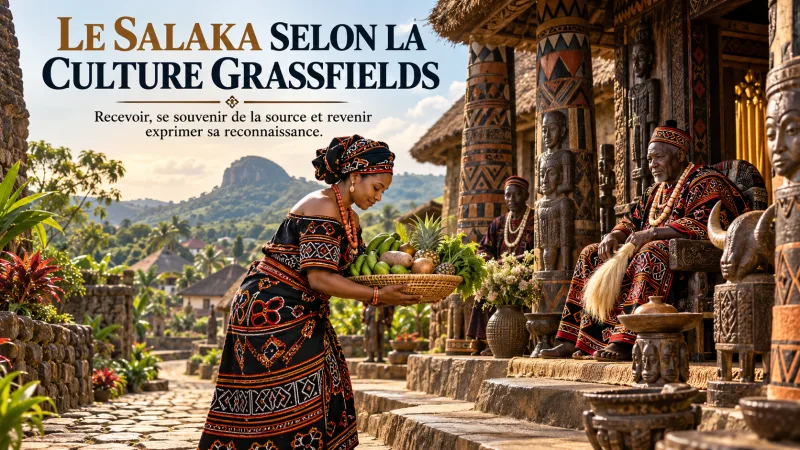
Salaka in Grassfields culture
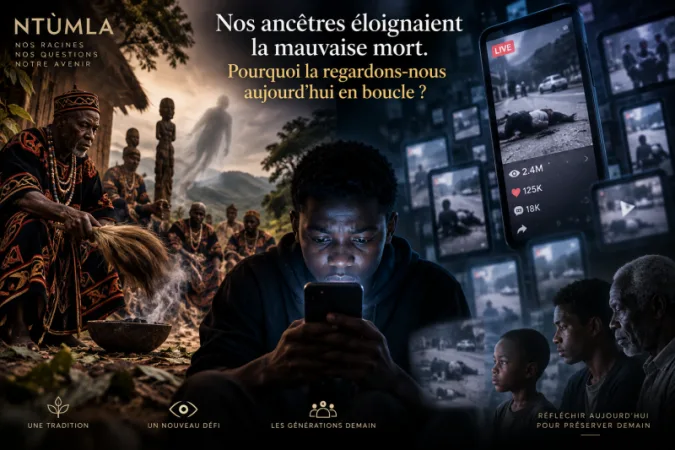
Our ancestors kept bad death away. Why do we keep watching it on repeat?
Why did our ancestors never throw away the placenta and umbilical cord?
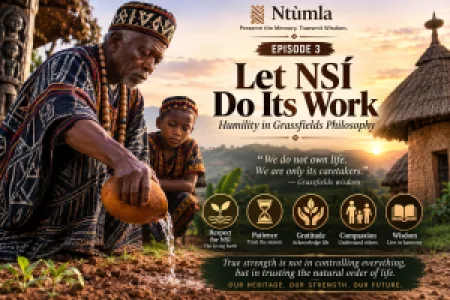
Let NSÍ Do Its Work Humility in Grassfields Philosophy
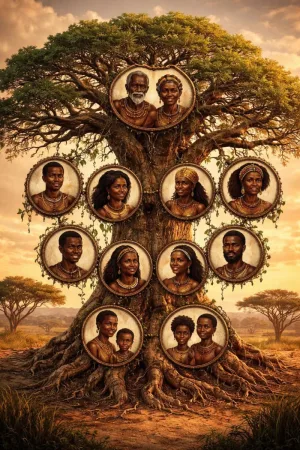
The Genealogical Tree Living Memory, Cosmological Heritage
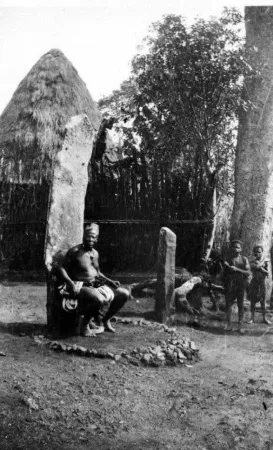
The Nine-Year War: When Bayangam Stood Its Ground Against Bandjoun