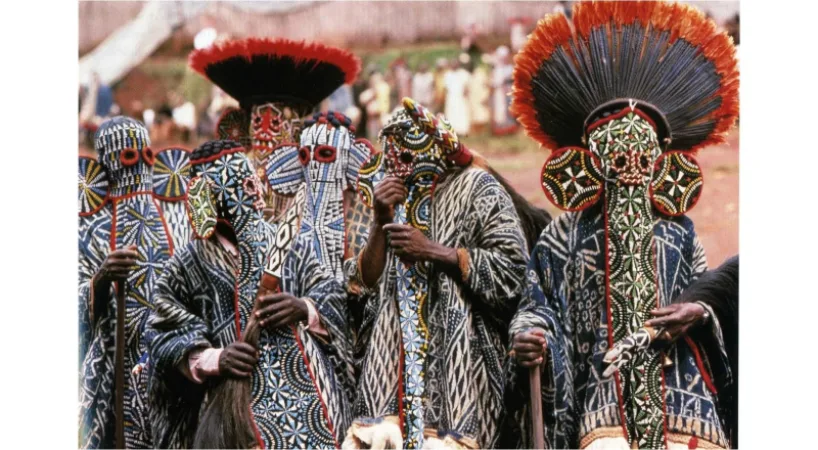
Theme
Identity and Diaspora
Being Grassfield today, at home and abroad, between pride, modernity and encounters.
15 articles
What does it mean to be Grassfield today, at home and abroad? This page gathers texts that explore that question between pride, modernity and encounters. You will follow musicians from western Cameroon and gatherings that bring the diaspora together, as well as reflections on what we pass on and what we risk losing.
Readers will discover practices from the past that shed light on the present: the Grassfield calendar and its eight-day cycle, Houhou, the chain of voices that protected women in the fields, and the family compound as the first book of memory. Other articles look at raffia and kola trees fading from our compounds, at raising African children in the diaspora between communal culture and individualism, at the meaning of the ancestral name, at how the Bamiléké/Grassfield peoples are placed on the map, and at a place of memory devoted to the massacres of 1955 to 1961.
These texts speak of rootedness, responsibility and transmission, and of the wish to grow without cutting ourselves off from our roots. To begin, you might read “Houhou: the call that protected Grassfields women”, then “Why Did I Leave the Family Compound? Rootedness in Grassfields Philosophy”, before continuing with “When our communal culture meets individualism: raising African children in the diaspora”.
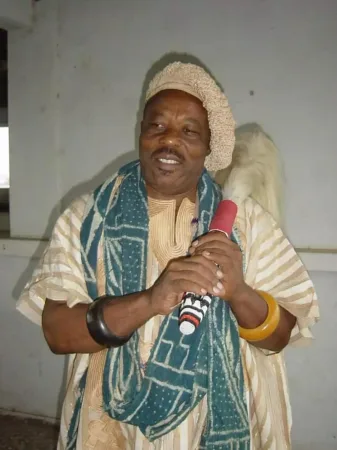
Isidore Tamwo: from Bahouan to soul lessa, the man who helped build Cameroonian music
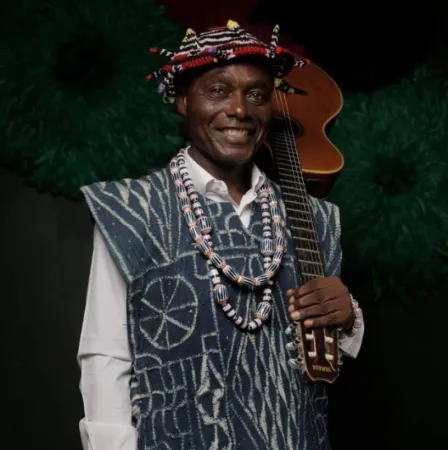
Sam Fan Thomas: from his roots in Batié to the world stage, a living tribute to a musical legend
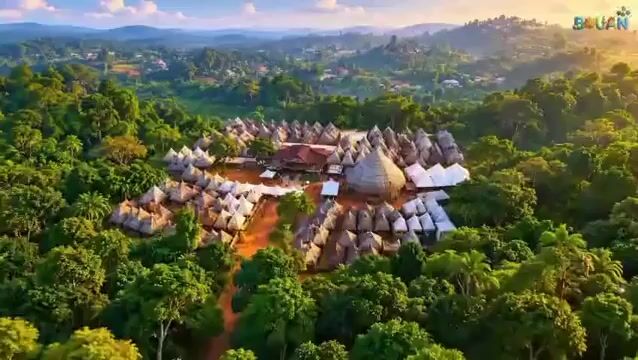
SOMILBA 2026: Bamileke intelligentsia and leaders gather in Germany

REDEO 2026: Cameroon’s West Region prepares for its third edition
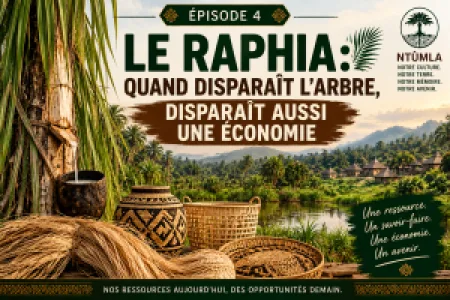
Episode 4 — Raffia: when the tree disappears, an economy disappears with it

Our ancestors kept bad death away. Why do we keep watching it on repeat?

When our communal culture meets individualism: raising African children in the diaspora
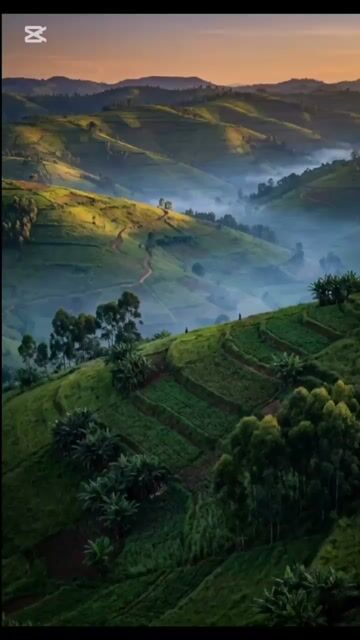
Houhou: the call that protected Grassfields women
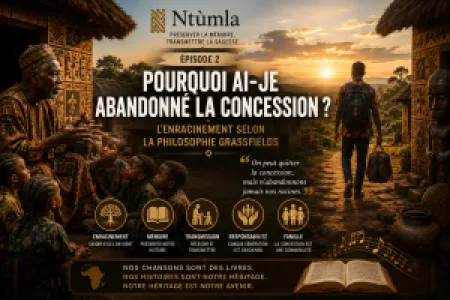
Why Did I Leave the Family Compound? Rootedness in Grassfields Philosophy
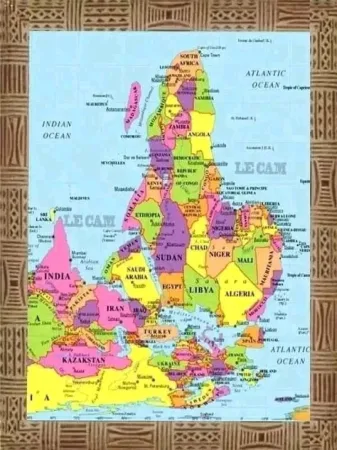
North or West? The Question Our Mountains Have Never Stopped Asking. On Colonial Cartography as a Weapon of Uprooting
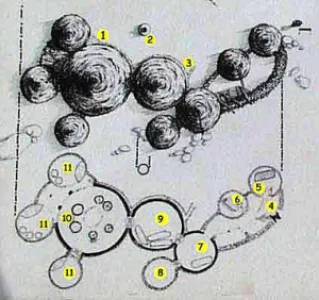
Vernacular Architecture, a Vision and Future Solution for Our Social Cohesion